
There are many myths that revolve around vaccination argument. Here are some of the common vaccination myths accompanied by the facts. It is our honest attempt to clear the air.
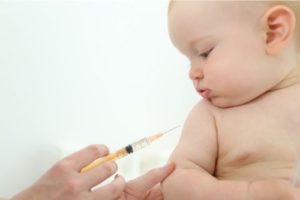
Fact 1:Vaccines are a safe and efficient way to stay away from many communicable diseases. The vaccine medicines go through many safety tests and then only distributed to the hospitals and clinics. Vaccines are just like any other medicine and may sometimes cause minor side effects. This is why doctors usually advice to stay in the hospital for at least 15 to 20mins after your baby’s vaccination.
Click here to Consult The Best Pediatricians in Bengaluru
Fact 2: It is true that placenta and breastfeeding protect baby from many diseases, but they are not enough to safeguard the infant from certain serious diseases caused by viruses and bacteria like measles, pertussis etc., To stop such illnesses, healthy lifestyle and breast milk isn’t enough. Vaccination is essential.

Fact 3: Vaccines are like rehearsals, which prepare your baby’s immune system to fight the actual disease. It uses harmless and inactive viruses or bacteria to trigger the baby’s immune system and make it strong and gives the baby long term protection from diseases.
Must read: Important Information to Know Before Vaccinating your Baby
Fact 4: The immune system is designed to handle many attacks at a time, as natural viruses do not attack one at a time. So, more than one vaccine at a time does not affect the immune system unfavourably. In fact, delayed vaccination may cause your baby a weak immune system.
Fact 5: This issue has been seriously investigated and dismissed. The side effects of vaccination are very mild, such as light fever or soreness at the injection site. Serious reactions are unusual.
Fact 6: Your child shouldn't have a vaccine if they've had a confirmed anaphylactic reaction (a severe allergic reaction) to a previous dose of the vaccine or an ingredient in it.

Fact 7: Thiomersal is an organic, mercury-containing compound added to some vaccines as a preservative. It is the most widely-used preservative for vaccines that are provided in multi-dose vials. There is no evidence to suggest that the amount of thiomersal used in vaccines poses a health risk.
Click here to Book an Appointment with Best Pediatrician near you.
As a parent, you may not like seeing your baby is being given an injection. However, vaccination protects your child against a range of serious and fatal diseases. Once your child has been vaccinated against a disease, their body can fight it more effectively. If a child isn't vaccinated, they will have an increased risk of catching the illness.
Now, read more information about vaccination here:
Want to consult the Best Pediatricians in India? Please find the links below.

Yes, it is. Vaccinations help protect babies from harmful infections when their immune systems are not strong enough to fight them. If you miss a vaccination, ensure you let your doctor know, and they can advise you on when to get it next. Some vaccinations require multiple doses, and the subsequent doses must be given within the specified time frame to ensure maximum effectiveness.
Lack of vaccination increases the risk of contracting serious infections that can have a severe impact or even be fatal. The immune system learns to fight disease by developing antibodies to the germs it encounters. Exposure to measles, whooping cough, or polio can cause serious and lasting damage when the child is not protected by a vaccine.
Yes, a baby can go out without vaccinations. However, you should be careful about what you expose them to. Taking them to hospitals, crowded places, or exposing them to sick people can increase their risk of infections. Plenty of fresh air and a clean environment can improve the baby’s overall health and reduce the risk of infections.
Soon after your baby is born or before you are discharged from the hospital, the staff will give you a vaccination schedule. The schedule is designed to increase the baby’s protection as their exposures and age increase. The set of vaccines may also differ depending on your location. In some countries, certain diseases are more prevalent, and related vaccines are necessary to protect your baby. In general, the Hepatitis B, DTaP, Hib, Polio, Rotavirus, Pneumococcal, and influenza vaccines are compulsory in most parts of the world.







 Best Gynecologists in Bellandur Best Gynecologists in Electronic City Best Gynecologists in HRBR LayoutBest Gynecologists in Jayanagar Best Gynecologists in Kanakapura RoadBest Gynecologists in Malleswaram Best Gynecologists in Nagarbhavi Best Gynecologists in Old Airport RoadBest Gynecologists in Sahakarnagar Best Gynecologists in Sarjapur RoadBest Gynecologists in ThanisandraBest Gynecologists in Varthur RoadBest Gynecologists in Whitefield Best Gynecologists in Industrial Area Phase IIBest Gynecologists in OMRBest Gynecologists in T NagarBest Gynecologists in New Industrial TownBest Gynecologists in IndirapuramBest Gynecologists in Golf Course RoadBest Gynecologists in Sector 14Best Gynecologists in Sector 47Best Gynecologists in Banjara HillsBest Gynecologists in GachibowliBest Gynecologists in Hitech CityBest Gynecologists in KompallyBest Gynecologists in Gomti NagarBest Gynecologists in MaladBest Gynecologists in NerulBest Gynecologists in VashiBest Gynecologists in Kailash ColonyBest Gynecologists in PatparganjBest Gynecologists in Punjabi BaghBest Gynecologists in VikaspuriBest Gynecologists in Gaur CityBest Gynecologists in Pari ChowkBest Gynecologists in Sector 51Best Gynecologists in Sector 5 Swastik ViharBest Gynecologists in Kalyani NagarBest Gynecologists in SB RoadBest Gynecologists in Pimple SaudagarBest Pediatricians in BellandurBest Pediatricians in Electronic CityBest Pediatricians in HRBR LayoutBest Pediatricians in JayanagarBest Pediatricians in Kanakapura RoadBest Pediatricians in MalleswaramBest Pediatricians in NagarbhaviBest Pediatricians in Old Airport RoadBest Pediatricians in SahakarnagarBest Pediatricians in Sarjapur RoadBest Pediatricians in ThanisandraBest Pediatricians in Varthur RoadBest Pediatricians in WhitefieldBest Pediatricians in Industrial Area Phase IIBest Pediatricians in OMRBest Pediatricians in T NagarBest Pediatricians in New Industrial TownshipBest Pediatricians in IndirapuramBest Pediatricians in Golf Course RoadBest Pediatricians in Sector 14Best Pediatricians in Sector 47Best Pediatricians in Hitech CityBest Pediatricians in Banjara HillsBest Pediatricians in GachibowliBest Pediatricians in KompallyBest Pediatricians in Gomti NagarBest Pediatricians in MaladBest Pediatricians in NerulBest Pediatricians in VashiBest Pediatricians in Kailash ColonyBest Pediatricians in PatparganjBest Pediatricians in Punjabi BaghBest Pediatricians in VikaspuriBest Pediatricians in Gaur CityBest Pediatricians in Pari ChowkBest Pediatricians in Sector 51Best Pediatricians in Sector 5 Swastik ViharBest Pediatricians in Kalyani NagarBest Pediatricians in SB RoadBest Pediatricians in Pimple Saudagar


